Research Analyst, Manohar Parrikar IDSA, Mr Nazir Ahmad Mir’s commentary ‘Imran Khan’s ‘tactical praise’ for India’ has been published by the International Center for Peace Studies (ICPS), New Delhi, on...
Taking positive measures to address the core issues of misgovernance and corruption and ensuring fair and rightful distribution of resources will help in the revival of the political process in...
Constructivism argues that the behaviour of actors in international politics is shaped by factors like identity, norms, rules, etc. Though it has been well argued that these factors shape and...
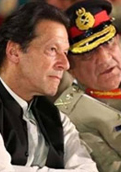
While Imran Khan’s efforts to build legitimacy around his ‘personality’ as a religious person and a crusader against corruption do not seem to have convinced many people, his government’s inability...
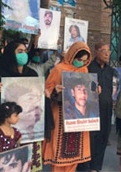
The movement of the Baloch people is likely to continue because of the strong undercurrent of popular disaffection in the province against the Pakistan state, and the sustained enthusiasm of...
While scientists all over the world are working tirelessly to find an antidote to COVID-19, the narratives doing the rounds in Pakistan – pushed and peddled by the Urdu media,...
Realpolitik and its terminology have dominated the discourse on the conduct and behaviour of states in ‘anarchical’ international environment. Concepts like balance of power (BoP) and security dilemma continue to...
The government and the military in Pakistan appear quite determined to either silence or censor media by all means. This may prove counter-productive since such restrictions can fuel further criticism,...
While contending the prevailing realists’ explanation of war happening because of power struggle, John Vasquez argues in his book, The War Puzzle Revisited, that a majority of wars are fought...
ince the time of their invention and the first-and-only use on 6 and 9 August 1945 on two Japanese cities, Hiroshima and Nagasaki respectively, nuclear weapons have been seen by...