The West Asia Centre seeks to cover issues, themes and countries of the region which are undergoing rapid political transformation impacting the political and security situation of the region and beyond. Popular protests demanding political and economic reforms and the subsequent fall of some long ruling authoritarian rulers and the rise of Islamists to power have significantly changed the region’s political landscape. GCC-Iran rivalry, Shia-Sunni sectarian conflict, external intervention in the region, and the rise of religious radicalism have further aggravated the situation. The Centre is closely following the unfolding internal political developments in individual countries as well as the regional political scenario.
The historical shifts in the region and domestic political developments will have a significant impact on India’s external environment. With huge stakes in the region such as energy, trade and safety of Indian citizens in the region, it has become important for India to carefully watch developments taking place in its ‘extended neighbourhood.’ These and other related issues are being focused upon by the scholars at the Centre. The Centre continues to hold regular bilateral dialogues with some leading think tanks in West Asia thus facilitating exchange of ideas and perspectives.
Current projects being pursued in the Centre are:
Linking South and Central and West Asia: Transportation and Energy Cooperation
Political transformations in the Arab world and implications for India
Regional organisation in Gulf: The Gulf Cooperation Council
India-Arab relations and partnership
Iran’s domestic and foreign policies
India’s Engagement with Iran: Prospects and challenges.
India and GCC share convergence of ideas and interests along with the political will to collaborate in the hydrogen energy sector. There is a need to provide impetus to the public and private partnerships in this sector as it has a strong potential for growth in future.
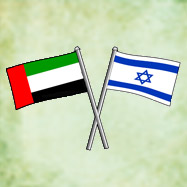
Israel and UAE have laid a strong foundation for their relationship by signing the Abraham Accords. While both are prioritising economic cooperation and exploring opportunities in other key sectors, how they build convergences over complex regional issues remains to be seen.
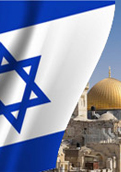
The formation of a new coalition government may have ended the two-year-long stalemate in Israeli politics, but considering its razor-thin majority in the parliament and notable differences of opinion among various constituent parties, its sustainability remains to be seen.
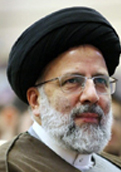
The tenure of Ebrahim Raisi as Iran's President is not likely to be a smooth sail, considering the immense challenges that lie ahead on both domestic and foreign policy fronts.
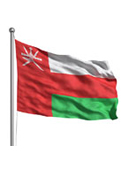
The recent protests in Oman over economic slowdown due to the coronavirus pandemic pose a major economic and political challenge for Sultan Haitham bin Tariq Al-Said, the new ruler of Oman.
While Ankara can take respite in President Biden’s decision to continue discussions on contentious issues, it would have to invest more diplomatic capital to overcome the challenges facing its relations with the US.
The expected victory of a hardline, conservative candidate in the forthcoming Iranian presidential elections could become a hindrance to fulfilling the country’s economic agenda and lead to greater domestic instability.
The political deadlock in Israel is set to continue, with Netanyahu failing to garner adequate support and Yair Lapid facing the deadline of June 2, 2021 to cobble together the necessary support to form a coalition government.
The Israel-Hamas clash diminishes prospects for the revival of the peace process and strengthens Hamas’ position as the preeminent Palestinian faction.