Trafficking of drugs takes place overwhelmingly through land borders followed by sea and air routes. Given the vulnerability of the borders to drug trafficking, India has tried to tackle the problem through the strategy of drug supply and demand reduction, which involves enacting laws, co-operating with voluntary organisations, securing its borders and coasts by increasing surveillance, as well as seeking the active cooperation of its neighbours and the international community.


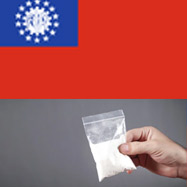


Narco-Terrorism in Jammu and Kashmir
Jammu and Kashmir (J&K) has witnessed a 2000 per cent surge in heroin-related drug seizures between 2017 and 2022, with significant national security and societal consequences.