The spectre of climate change and increased global warming has spurred more action in recent years. However, with the global economic outlook not likely to pick up any time soon, the temptation to opt for cheaper but dirtier fuels could further complicate the climate change negotiations.
The prevailing environment has underlined the importance of a balanced market to the oil producers. India has been consistently reiterating the need for oil to be priced responsibly to ensure the stability of the oil market.
While there is no immediate shortage of oil as the market is balanced for the time being, there are growing concerns about potential conflict in the region leading to supply disruption and resultant price spike, affecting the already nervous market sentiment.
Given China’s stated policy of using its rare earth dominance for strategic purposes, countries have been looking for ways to diversify their sources of supply. India too needs to acquire expertise in valorising rare earth minerals and shift to developing its downstream sector.
As concerns over a potential conflict in the region grow, the pressing issue of what a conflict would mean for the price of international crude oil needs to be addressed urgently.
Crude oil prices have firmed up after the Significant Reduction Exemption (SRE) waiver granted by the US to eight nations, including India, allowing them to import gradually diminishing quantities of oil from Iran, ended on May 2. The hardening of prices is inevitable if additional oil supplies do not reach the market to compensate for the approximately 1.3 million barrels per day (mbd) reduction in Iranian oil.
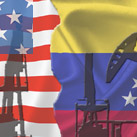
With US sanctions in place on the Venezuelan oil industry, global oil prices are set to rise once again, which may have major geopolitical and geo-economic consequences.
A strategic petroleum reserve offers India the leverage to be a serious player in the international oil market, as it will have the option to release supplies when prices spike and recharge the reserve when prices are low.
President Trump’s decision to withdraw from the Iran nuclear deal has sent oil prices soaring again. Even prior to the May 8, 2018 announcement, after falling to below $30 a barrel in early 2016, oil prices were on the boil again, belying the projections of market analysts, including those of the respected International Energy Agency (IEA), that the era of $100 plus per barrel of oil was over. The projections were based on the assumption that nations would move increasingly away from oil—and coal—to meet their carbon mitigation commitments under the Paris Agreement.







COVID-19 and OPEC+ Deal
The prevailing environment has underlined the importance of a balanced market to the oil producers. India has been consistently reiterating the need for oil to be priced responsibly to ensure the stability of the oil market.