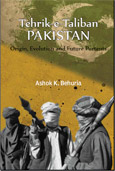
This volume is a result of an abiding interest in the phenomenon of radical Islamist terror that haunts Pakistan today. The research questions that it seeks to answer are: Why do the tribal areas remain a problem for rulers and administrators throughout history? How and why did radical Islam embed itself in the terrain?
Was it influenced by the overall emphasis on Islam in Pakistani state politics? What is the role of history and politics in fuelling religious passions in the area? What has led to the survival of TTP despite humongous efforts of the Pakistan Army to decimate it? What are the future portents of such a movement? What impact is it likely to have on Pakistani society and politics?
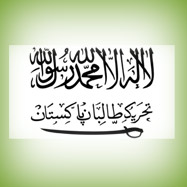
The volume makes an attempt to understand the context in which Pakistani Taliban or TTP, as it is called now, came into being, the enabling factors that made the growth of TTP possible, the formation and growth of TTP as a militant organisation, its leadership and its activities over the years, its ideological orientation and its worldview, its aims and objectives, its relationship with other militant groups in and outside Pakistan and the efforts of the Pakistani establishment to come to terms with such a phenomenon. There is an attempt to analyse the process and study its implications for Pakistan and the region.




Is the Threat of Islamic State Khorasan a Red Herring?
The rising threat of Islamic State Khorasan (ISK) since the Taliban’s capture of Afghanistan could be a red herring as it seems to be overplayed by Pakistan to mainstream and help the Taliban regime.